Considering Invisalign in Brisbane QLD, you may wonder how much it will cost. Here’sHere’s a look at the average cost of Invisalign in Brisbane and some factors that can affect the price.
The average cost of Invisalign in Brisbane is $5,000. However, the cost can vary depending on the severity of your case and the number of aligners you need. Sometimes, the cost can be as low as $3,000 or as high as $8,000.
A few things can affect the cost of Invisalign in Brisbane. The first is the severity of your case. If you have a more complex issue, it will likely cost more. The second is the number of aligners you need. The more aligners you need, the higher the cost will be.
Finally, your orthodontist’s fees can also affect the cost of Invisalign in Brisbane. Some orthodontists charge more for Invisalign than others. It’s essential to shop around and compare prices before choosing an orthodontist.
If you’re considering Invisalign in Brisbane, be sure to factor in all of these costs before making a decision. Invisalign is a great way to straighten your teeth, but it’s essential to know how much it will cost to budget accordingly. Check out Invisalign in Brisbane QLD to learn more.
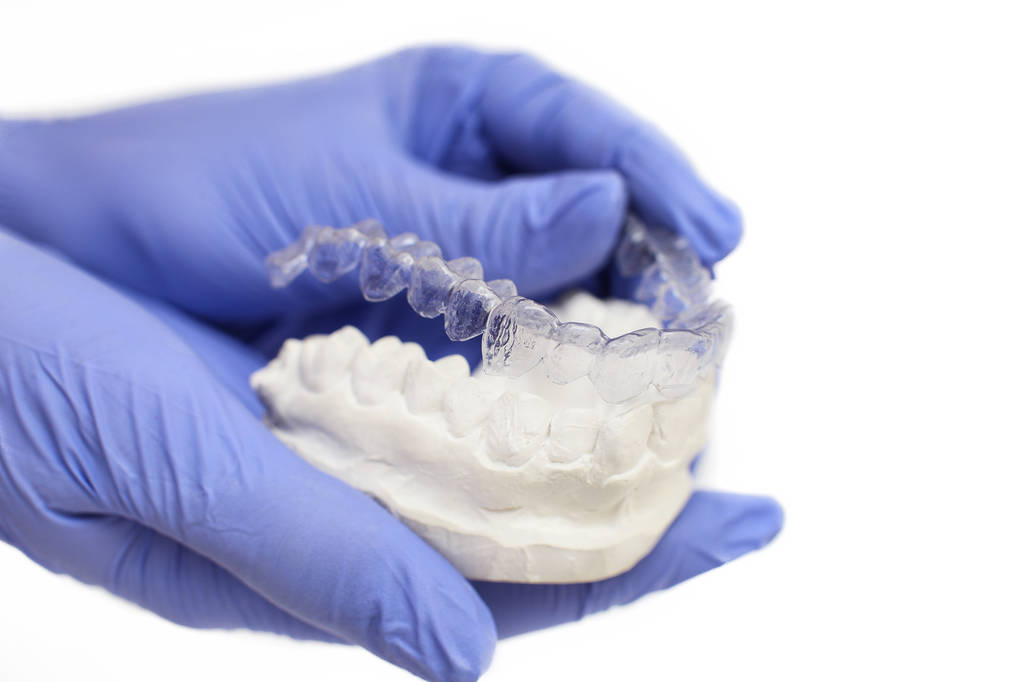
How Much Does Invisalign Cost In Brisbane, Australia?
Invisalign is a popular choice for people looking to straighten their teeth, but how much do they cost in Brisbane, Australia?
The cost of Invisalign in Brisbane can vary depending on several factors, such as the severity of your teeth misalignment, the length of your treatment, and whether or not you need any additional treatments.
Generally speaking, Invisalign treatments can cost anywhere from $3,000 to $8,000 in Brisbane. However, there are several ways to save on the cost of Invisalign, such as using dental insurance or taking advantage of special promotions and discounts.
If you’re considering Invisalign for yourself or your child, be sure to speak to your dentist about all of your options and get an estimate of the total cost of treatment.
Is Invisalign Cheaper Than Braces Australia?
Invisalign is a clear aligner that is used to straighten teeth. It is an alternative to traditional metal braces. Invisalign is more expensive than braces in Australia.
Is Invisalign Cheaper Than Braces Australia?
Invisalign is a clear aligner that is used to straighten teeth. It is an alternative to traditional metal braces. Invisalign is more expensive than braces in Australia.
What Are The Advantages Of Invisalign?
Invisalign braces are an excellent option for individuals who want to improve the appearance of their teeth without having to go through dental surgery. There are numerous advantages to using in-office braces, including:
- They are convenient. Invisalign braces can be worn right at home and require minimal maintenance. This makes them a great option for people who have busy schedules or do not have the time to visit the dentist regularly.
- They are affordable. Invisalign braces typically cost less than traditional dental procedures, such as surgery. This means that they are a reasonable choice for most people.
- They are versatile. Invisalign braces can be custom-made to suit each tooth and mouth, which means they can be very effective at improving the appearance of your teeth.
- They are safe. Unlike some other dental treatments, in-office braces are entirely safe and do not require any special training or skills. This makes them an excellent option for people with any level of dental expertise.
- They are reliable. Invisalign braces have been proven reliable and effective at improving the appearance of teeth over time.
Which Is Faster Braces Or Invisalign?
If you’re considering straightening your teeth, you may wonder which treatment is faster – braces or Invisalign? The answer depends on several factors, including the severity of your misalignment, how well you follow treatment instructions, and whether you have any complicating factors. In general, though, Invisalign tends to be faster than braces.
Invisalign uses a series of clear, customized aligners to move your teeth into the desired position gradually. Because the aligners are removable, you can eat whatever you want and brush and floss normally – no need to worry about food getting stuck in brackets and wires! You’llYou’ll need to wear your aligners for 20 to 22 hours each day, and you’ll switch to a new set of aligners every one to two weeks.
Treatment with Invisalign typically takes 9 to 15 months. However, if you have a more complex case, it could take up to 18 months.
Braces, on the other hand, are fixed in place. This means you’ll have to be careful about what you eat and how you brush and floss to avoid damaging the brackets and wires. Treatment with braces typically takes 18 to 24 months, but it could take longer if you have a complex case.
So, in general, Invisalign is faster than braces. However, the best way to find out which treatment is right for you is to consult with an orthodontist, click here to learn more.
FAQs
How much is Invisalign in Qld?
Dental braces in Queensland can cost anywhere from $2000 to $6000.
What is the average cost of Invisalign in Australia?
The average cost of Invisalign in Australia is around AU$8,500.
Is Invisalign cheaper than braces in Australia?
There is no definitive answer to this question as the cost of braces will vary depending on several factors, including location, type of braces and surgeon. Overall, though, Invisalign may be cheaper than traditional braces in some cases.
What is the cheapest Invisalign option?
The cheapest Invisalign option is the clear aligners.
How much is Invisalign in Qld?
Based on our research, the cost for Invisalign in Queensland is around $4,500.
Is Invisalign cheaper than braces in Australia?
There is no definitive answer, as the prices for braces in different countries can vary significantly. While Invisalign may not be as expensive as traditional braces in some cases, it could also be more expensive. Ultimately, it depends on a person’s specific needs and budget.