Wisdom teeth, also known as third molars, typically erupt between the ages of 17 and 25. While some individuals experience no issues with their wisdom teeth, others may face a range of problems that necessitate their removal. In this article, we will explore the benefits of professional wisdom tooth removal in Melbourne, shedding light on the advantages it offers in terms of preventing future dental problems, alleviating pain and discomfort, reducing the risk of infections, and improving oral hygiene.
Key Takeaways:
- Wisdom teeth, or third molars, can cause various dental problems such as crowding, misalignment, and infections.
- Professional wisdom tooth removal in Melbourne offers several benefits, including the prevention of future dental problems and improved oral hygiene.
- The removal of wisdom teeth can alleviate pain and discomfort associated with impacted or partially erupted teeth.
- Removing wisdom teeth reduces the risk of infections and gum disease by eliminating spaces where bacteria can accumulate.
- The process of wisdom tooth removal involves consultation, preparation, surgical procedure, and post-operative care.
- When choosing a dental professional for wisdom tooth removal, consider their experience, modern techniques and equipment, patient comfort, and reputation.
- The duration of the wisdom tooth removal procedure varies, but it typically takes around 30 minutes to an hour per tooth.
- With the use of anaesthesia and modern dental techniques, the procedure itself is generally painless.
- Following the post-operative instructions provided by the dentist is crucial for a smooth recovery after wisdom tooth removal.
- Insurance coverage for wisdom tooth removal may vary depending on the insurance plan, so it is important to check with your provider.
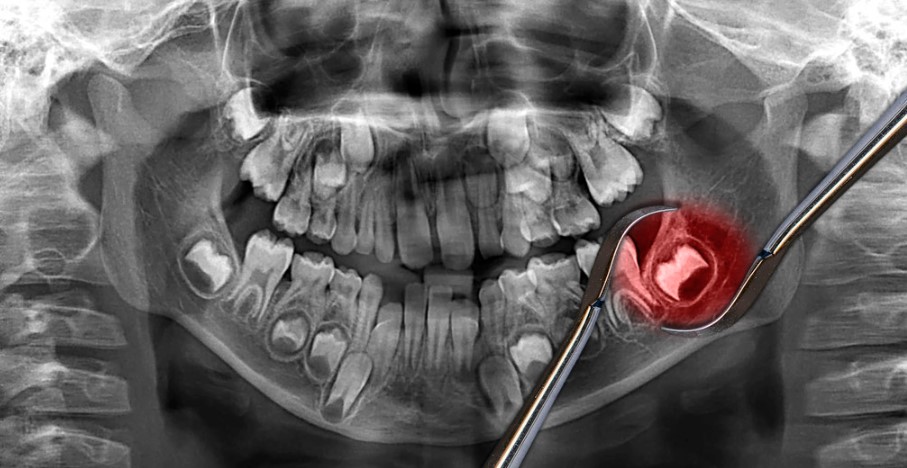
Wisdom teeth are the last set of molars to develop in the human mouth. However, due to evolutionary changes and the reduction of jaw size in modern humans, wisdom teeth often face challenges when attempting to erupt properly. As a result, they can cause various dental issues that may require their extraction.
What are wisdom teeth?
Wisdom teeth, or third molars, are the final set of molars that emerge at the back of the mouth. Most individuals have four wisdom teeth, with two in the upper jaw and two in the lower jaw. These teeth were necessary in our ancestors to chew and grind tough foods. However, with changes in diet and jaw size over time, the need for wisdom teeth has diminished.
Common problems associated with wisdom teeth
Crowding and misalignment
One of the primary issues with wisdom teeth is their tendency to cause overcrowding and misalignment in the mouth. As wisdom teeth try to erupt, they may push against adjacent teeth, causing them to shift or become crooked. This can lead to a host of dental problems, including bite issues, difficulty in cleaning, and an increased risk of tooth decay and gum disease.
Impacted wisdom teeth
Impacted wisdom teeth occur when there is not enough space in the mouth for them to fully emerge or grow in the correct position. Impaction can be partial, where the tooth is only partially erupted, or complete, where the tooth is trapped within the jawbone. Impacted wisdom teeth can cause pain, swelling, and infection.
Infections and gum disease
Wisdom teeth are more difficult to clean due to their location at the back of the mouth. As a result, they are prone to developing infections and gum disease. The presence of partially erupted wisdom teeth creates pockets of space where food particles and bacteria can accumulate, leading to inflammation, infection, and potential damage to surrounding teeth and tissues.
The benefits of professional wisdom tooth removal
Prevention of future dental problems
One of the significant benefits of professional wisdom tooth removal is the prevention of future dental problems. By removing problematic wisdom teeth early on, before they have a chance to cause issues, individuals can avoid potential complications such as misalignment, crowding, and damage to neighbouring teeth.
Alleviation of pain and discomfort
Wisdom teeth that are partially erupted or impacted can cause significant pain and discomfort. The extraction of these teeth eliminates the source of the problem, providing relief from pain and discomfort. Professional dentists in Melbourne use appropriate anaesthesia and sedation techniques to ensure a comfortable experience during the procedure.
Reduction of the risk of infections
Removing wisdom teeth can greatly reduce the risk of infections and gum disease. By eliminating the spaces where bacteria can thrive, the chances of developing infections, cavities, and gum problems are minimised. This leads to improved overall oral health and a reduced need for future dental treatments.
Improved oral hygiene
The presence of impacted or partially erupted wisdom teeth can make it challenging to maintain proper oral hygiene. These teeth are located at the back of the mouth, making them difficult to reach and clean effectively. By removing them, individuals can improve their ability to brush and floss properly, promoting better oral hygiene and reducing the risk of dental issues.
The process of professional wisdom tooth removal
Consultation and examination
The process of wisdom tooth removal begins with a consultation and examination by a dental professional in Melbourne. During this initial visit, the dentist will evaluate the position and condition of the wisdom teeth using X-rays and visual examination. They will discuss the treatment options and address any concerns or questions the patient may have.
Preparing for the procedure
Once the decision to remove the wisdom teeth is made, the dentist will provide instructions on how to prepare for the procedure. This may include fasting for a certain period before the surgery, arranging for transportation to and from the dental clinic, and ensuring that the patient has the necessary post-operative supplies at home.
The surgical procedure
On the day of the wisdom tooth removal, the dentist will administer anaesthesia to ensure the patient’s comfort during the procedure. The type of anaesthesia used can vary depending on the complexity of the extraction and the patient’s preferences. The dentist will then carefully remove the wisdom teeth, taking care to minimise trauma to the surrounding tissues.
Recovery and aftercare
After the wisdom tooth removal, the patient will be given post-operative instructions to aid in the healing process. This may include recommendations for pain management, swelling reduction techniques, and guidelines for diet and oral hygiene. It is essential to follow these instructions carefully to promote proper healing and minimise the risk of complications.
Choosing a professional for wisdom tooth removal in Melbourne
When considering wisdom tooth removal, it is crucial to choose a reputable and experienced dental professional in Melbourne. Here are some factors to consider when making this decision:
Experience and expertise
Look for a dentist who has extensive experience in performing wisdom tooth removal procedures. They should be knowledgeable about the latest techniques and advancements in the field.
Modern dental techniques and equipment
Ensure that the dental clinic is equipped with modern dental technology and instruments. This will contribute to a more efficient and comfortable experience during the wisdom tooth removal process.
Patient comfort and care
A reputable dentist will prioritise patient comfort and care. They should provide a calm and welcoming environment and offer sedation options to help patients relax during the procedure.
Reputation and testimonials
Research the dentist’s reputation by reading reviews and testimonials from previous patients. Positive feedback and recommendations can provide assurance and confidence in the dentist’s abilities.
Conclusion
Professional wisdom tooth removal in Melbourne offers several benefits, including the prevention of future dental problems, alleviation of pain and discomfort, reduction of the risk of infections, and improved oral hygiene. By choosing an experienced and reputable dental professional, individuals can undergo this procedure with confidence, knowing that their oral health is in good hands.
FAQs
How long does the wisdom tooth removal procedure take?
The duration of the procedure can vary depending on the complexity of the extraction and the number of wisdom teeth being removed. On average, it can take anywhere from 30 minutes to an hour per tooth.
Is wisdom tooth removal painful?
With the use of anaesthesia and modern dental techniques, the procedure itself is generally painless. However, some discomfort and swelling may be experienced during the recovery period, which can be managed with pain medication prescribed by the dentist.
Can I eat normally after wisdom tooth removal?
It is recommended to stick to a soft or liquid diet for the first few days after the procedure to allow the extraction sites to heal. As the healing progresses, gradually introduce solid foods back into your diet as advised by your dentist.
Are there any risks or complications associated with wisdom tooth removal?
As with any surgical procedure, there are potential risks and complications, although they are relatively rare. These can include infection, dry sockets, nerve damage, and excessive bleeding. Following the post-operative instructions provided by your dentist can help minimise these risks.
Is wisdom tooth removal covered by insurance?
The coverage for wisdom tooth removal varies depending on the insurance plan. It is advisable to check with your insurance provider to understand the extent of coverage for this procedure.